1. Use light therapy regularly
Light therapy is not a one-time treatment; consistent use over time, as directed by the protocol, may support your experience with the device.
The best thing about having an at-home device like SYMBYX light therapy, is that it's accessible and easy to integrate into your daily routine.
To build habit and consistency:
- Include light therapy session as part of your morning or evening routine (Always follow directions of use. You can contact our Clinical Support team for guidance on how to time your sessions to best suit your daily schedule).
- Choose specific days and stick to it, so it feels as automatic as brushing your teeth.
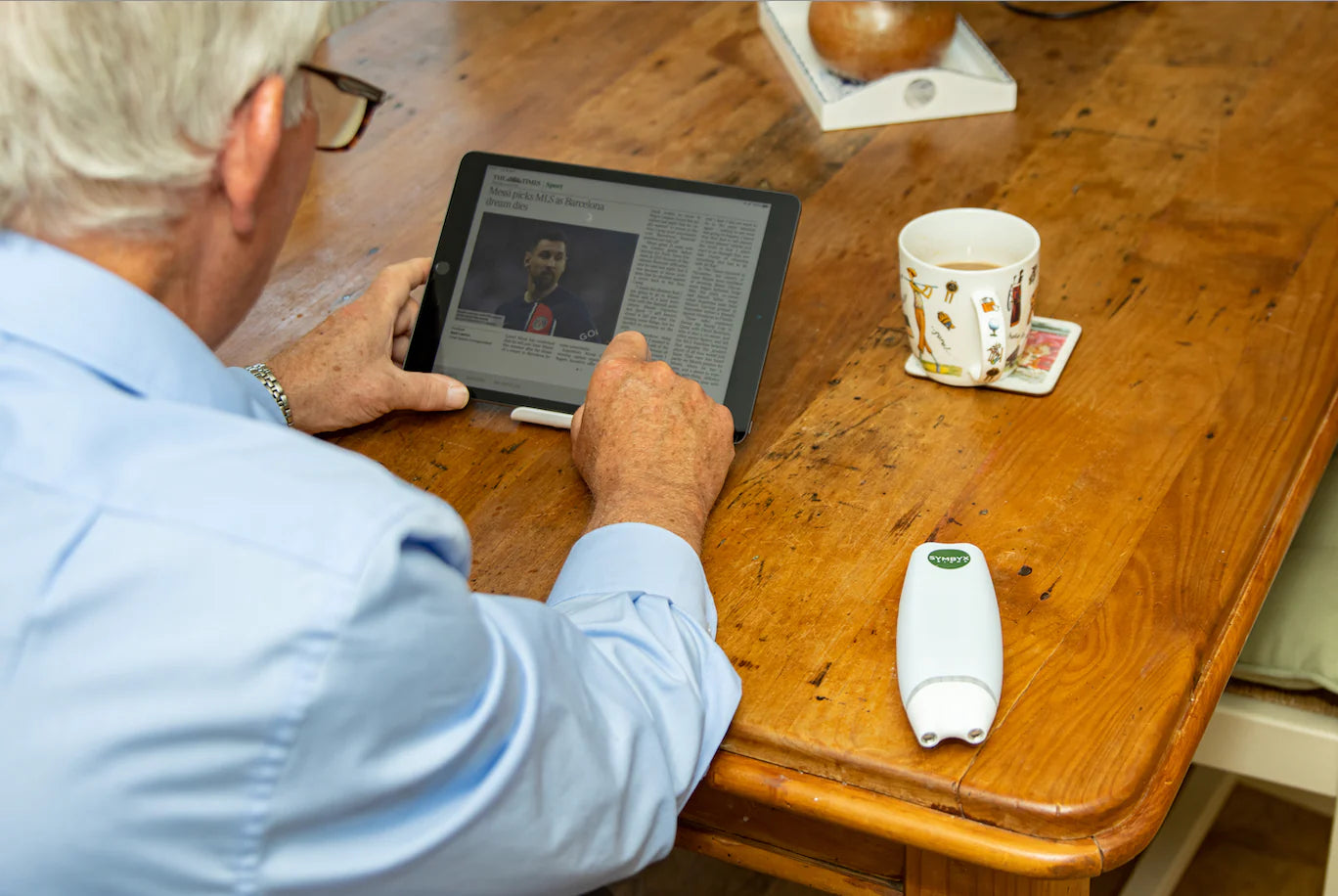
- Pair your session with an existing ritual (morning coffee, reading, evening news).
Over time, this steady repetition may support your body’s natural adaptive processes.
SYMBYX clinicians’ tip:
In the first few weeks, don’t chase outcomes. Focus on building the habit. Consistency first, users may begin to notice changes after several weeks.
2. Create an easy environment for your light therapy sessions
Your environment plays a bigger role in long-term success than most people realise. If doing light therapy feels like a whole production every time, it becomes harder to stay motivated or consistent.
To make light therapy sessions feel like a treat:
- Prioritise comfort: sit or lie down in a position that feels natural.
- Keep your device accessible, charged, and ready to use.
- Reduce distractions with soft lighting and a calm space.
SYMBYX clinicians’ tip:
Even small environmental adjustments can significantly help reduce friction and improve adherence. Consider having a designated nook in your home, specifically for doing light therapy.
3. Track your light therapy progress
Keeping track of your progress helps you identify changes over time and stay aligned with your routine, with guidance from the Clinical Support team. Tracking also enhances accountability and self-awareness, which can help with habit-building.
Tips for effective progress tracking
- Reflect by yourself. "Do I feel different now, compared to before I started?"
- Get external feedback by asking the people around you. Often, they notice things you might dismiss.
- Have open conversations with your care team. Ask your questions, celebrate your wins, raise your concerns.
Tools to help track your progress
- Diaries and notebooks
- Apps and reminders on your phone, such as Calendar or Notes
- Designated symptom journals (the SYMBYX Clinical Support team offers a great template via email)
Light therapy may take weeks or even months before you notice meaningful changes. Awareness of your symptoms and clear documentation helps you recognise patterns that might otherwise go unnoticed.
SYMBYX clinicians’ tip:
If you choose to reach out to Clinical Support or participate in their quarterly follow-up surveys, bring your notes along as they provide helpful context.
4. The first 30 days of light therapy set the foundation
Many people ask: “How long before I might first see results?”
Light therapy may support various aspects of health and wellness, depending on the device and its intended use. But just like with any therapy, everyone responds differently. What can be controlled, is creating a strong foundational routine and allowing your body time to adjust.
Here’s how our Clinical Support team frames the first 30 days:
- Weeks 1–2: Focus on building the habit using the protocol. Set up your trackers and reminders.
- Weeks 3–4: Begin observing how your body responds and comparing against your past data.
What you might observe during this time
Some people notice subtle shifts early on, while for others, those observations may take more time to develop. Both experiences are completely normal as your body integrates a new daily practice.
SYMBYX clinicians’ tip:
Responses vary widely, especially within the first month. If you're not sure how to interpret your experience, note your response in your tracker (refer to Tip #2), and contact our Clinical Support team for guidance.
5. Make use of the free SYMBYX Clinical Support questionnaires
The SYMBYX Quarterly Progress Check Questionnaires are an important part of your light therapy journey.
All SYMBYX customers are eligible to receive an online questionnaire after purchasing their device. There are also follow-ups at the 3-, 6-, 9-, and 12-month mark, creating a structured quarterly check-in framework.
These questionnaires:
- Help the Clinical Support team understand your starting point.
- Allow the clinicians to provide more tailored support with using the device, if necessary.
- Contextualise your progress over time.
- Help you recognise changes you might've missed, especially those that you don't consciously pay attention to.
SYMBYX Clinician’s note:
Light therapy is not a one-size-fits-all experience. The more context we have, the better we can support your individual journey with your device. Use these questionnaires to build a solid picture of yourself in your light therapy journey!
What actually makes light therapy 'work'
Think of consistent light therapy use like building any healthy habit — steady habit, regular practice lays the groundwork for your body to respond over time. Pairing consistent use with detailed tracking and professional clinical guidance gives you and your support team the best context to understand how the device is working for you.
If you ever feel unsure about your routine or what you’re noticing, know that the Clinical Support team is on your side. Reach out for a check-in and consistently complete your quarterly follow-up questionnaires so we can better understand how things are going.
Sometimes a bit of context is all it takes to feel more confident moving forward.
Always follow the directions for use.
*SYMBYX Biome devices may be subject to regulatory approvals and may not be available for sale in all countries. This content is for educational purposes only and does not replace professional medical advice, diagnosis, or treatment. SYMBYX devices are intended as complementary therapy; results may vary. While our Clinical Support team can provide guidance on the use and protocols for our devices, they do not replace your primary healthcare provider. Always consult your doctor for your specific healthcare needs and before starting any new treatment.